
Popular Foundation Repair Equipment For Professional Results
Choose from top equipment options that enable precise repairs and long-lasting structural integrity.
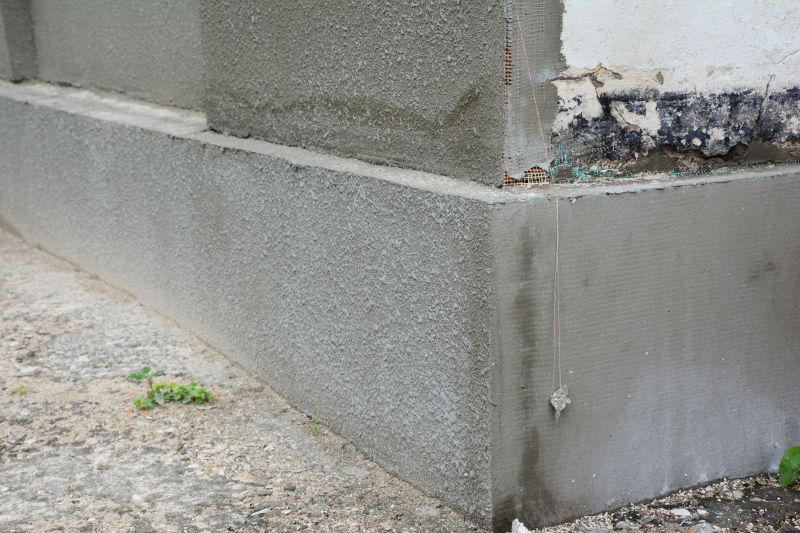 Foundation repairs are a critical aspect of maintaining the structural integrity of a building, especially in areas like Stevens Point, WI, where soil conditions and weather patterns can impact the stability of structures over time. When considering foundation repair products, it is essential to understand the variety of solutions available to address different types of issues, such as settling, cracking, or shifting. These products are designed to provide stabilization, lift, or reinforcement to ensure safety and longevity.
Top Overall Option
Hydraulic Push Piers System
A hydraulic push piers system offers a versatile and effective method for stabilizing and lifting settling foundations. It involves installing steel piers beneath the foundation and using hydraulic jacks to lift and support the structure. This approach is suitable for a variety of soil conditions and can be customized to meet specific repair needs. Proper installation ensures long-term stability, making it a popular choice among foundation repair professionals.
Types of Products For Foundation Repairs
Hydraulic Push Piers
Steel piers driven into the ground to support and lift foundations experiencing settlement.
Helical Piers
Rotatable steel piers that can be installed in various soil conditions, providing foundation support.
Epoxy Injection Kits
Used to fill and seal cracks in concrete to prevent water intrusion and further deterioration.
Underpinning Systems
Methods that extend the foundation depth or width to stabilize and reinforce the structure.
Soil Stabilization Compounds
Chemical solutions that improve soil strength and reduce shifting or settling.
Polyurethane Foam Fillers
Lightweight foam used to fill voids and lift sunken sections of the foundation.
Steel Support Beams
Structural steel beams used to reinforce and stabilize foundation walls.
Concrete Pier Blocks
Precast concrete supports used as a foundation base or for underpinning purposes.
Foundation Jacking Systems
Hydraulic jacks that lift and level uneven or sagging floors and foundations.
Grout Injection Kits
Injects grout into soil or cracks to improve stability and fill voids.
Anchor Bolts and Plates
Secure foundation walls to the structure to prevent movement.
Drainage and Waterproofing Products
Systems to divert water away from the foundation and prevent moisture issues.
Vapor Barriers
Materials installed beneath or around foundations to reduce moisture infiltration.
Soil Replacement Materials
Replacing weak or unstable soil with more stable fill material.
Foundation Repair Sealants
Seal cracks and joints to prevent water ingress and further damage.
Carbon Fiber Reinforcement
High-strength fibers used to reinforce cracked or bowing walls.
Drainage Pipe Systems
Subsurface piping to manage water flow around the foundation.
Vibration and Compaction Equipment
Tools used to compact soil and improve support conditions.
Popular Choices
Widely used for foundation stabilization and lifting applications.
Preferred for their adaptability to different soil types.
Commonly selected for sealing cracks in concrete foundations.
Popular for extending foundation support in problematic areas.
Used to improve soil load-bearing capacity.
Chosen for quick, lightweight foundation lifting solutions.
Frequently used to reinforce basement walls.
Commonly installed for foundational support in new and existing structures.
Popular for correcting uneven floors and settling issues.
Effective for filling voids and stabilizing soil.
Frequently used to secure walls and prevent movement.
Standard choice for moisture control around foundations.
Commonly installed to reduce moisture issues.
Often selected for addressing soil instability.
Popular for sealing minor cracks and preventing water intrusion.
Frequently used for reinforcing cracked walls.
Commonly installed to manage water flow around foundations.
Used to improve soil support in repair zones.
In the realm of foundation repair, a wide range of products exists, including hydraulic jacks, pier systems, epoxy injection kits, underpinning materials, and soil stabilization compounds. Each product type serves a specific purpose, whether it is to lift a settling foundation, fill cracks, or reinforce weak soil conditions. Proper assessment and selection of the right products are vital for effective repairs, and consulting with a foundation specialist can help determine the most suitable options for a particular situation.
Durability and compatibility with existing structures are important factors to consider when choosing foundation repair products. Many solutions are designed for easy application and minimal disruption, making them suitable for both residential and commercial properties. Additionally, safety features and ease of use are important to ensure that repairs can be carried out efficiently and effectively. Regular maintenance and inspection after repairs can help prolong the life of the foundation and prevent future issues.
Choosing the right foundation repair products involves understanding the specific needs of the property and the underlying soil conditions. It is advisable to select products that have a proven track record and are compatible with local building codes. Proper installation, often performed by trained professionals, is crucial to achieving the desired stability and safety. By carefully selecting and applying the appropriate products, property owners in Stevens Point, WI, can help preserve the integrity of their structures for years to come.
Key Buying Considerations
- Assess the specific foundation issues such as cracking, settling, or bowing to select appropriate products.
- Understand the soil conditions and how they influence the choice of repair solutions.
- Consider the compatibility of repair products with existing foundation materials.
- Evaluate the load-bearing capacity required for the repair system.
- Check for products that meet local building codes and standards.
- Determine whether professional installation or DIY application is suitable for your needs.
- Review the long-term durability and maintenance requirements of the products.
- Consider the ease of application and whether special equipment is needed.
- Look for products with proven performance records in similar soil and foundation conditions.
- Factor in the potential disruption to property during repair work.
- Estimate the overall project budget, including materials and labor.
- Ensure the availability of replacement parts or additional support if needed in the future.
- Identify products that offer flexibility for future repairs or adjustments.
- Prioritize safety features and ease of use for DIY projects.
- Consult with foundation repair professionals to validate product suitability.